

EMS Chair for Pelvic Floor Strengthening: What to Know Before Your First Session
Pelvic floor strength can affect bladder control, core support, and everyday confidence.
An EMS chair may offer a comfortable, non-invasive way to engage these muscles. It is designed for wellness support, not diagnosis or medical treatment.
At Skin Therapy By Renne, we begin with a personal consultation. We discuss your goals, health history, and whether this service is appropriate for you.
What Is an EMS Chair?
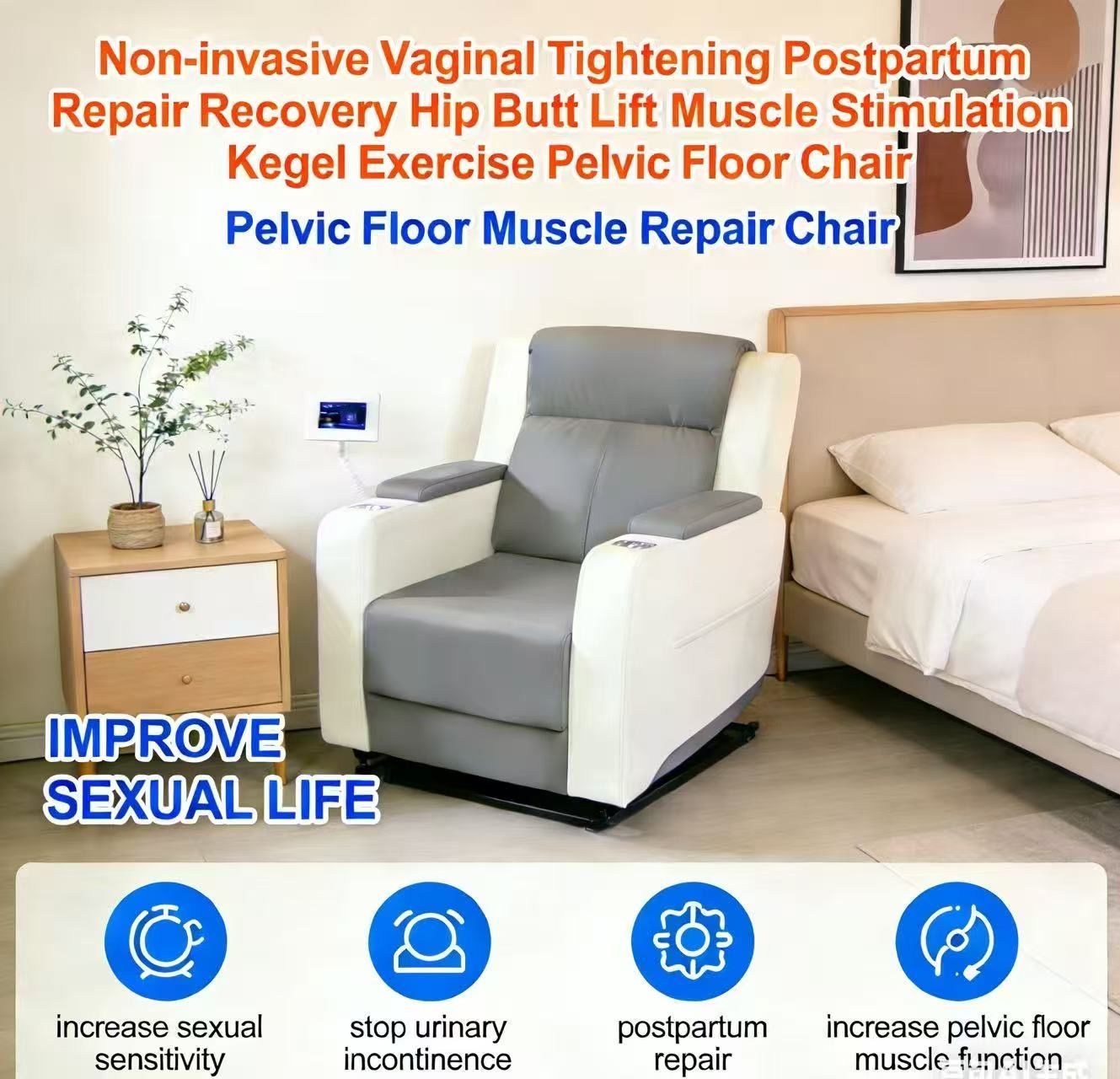
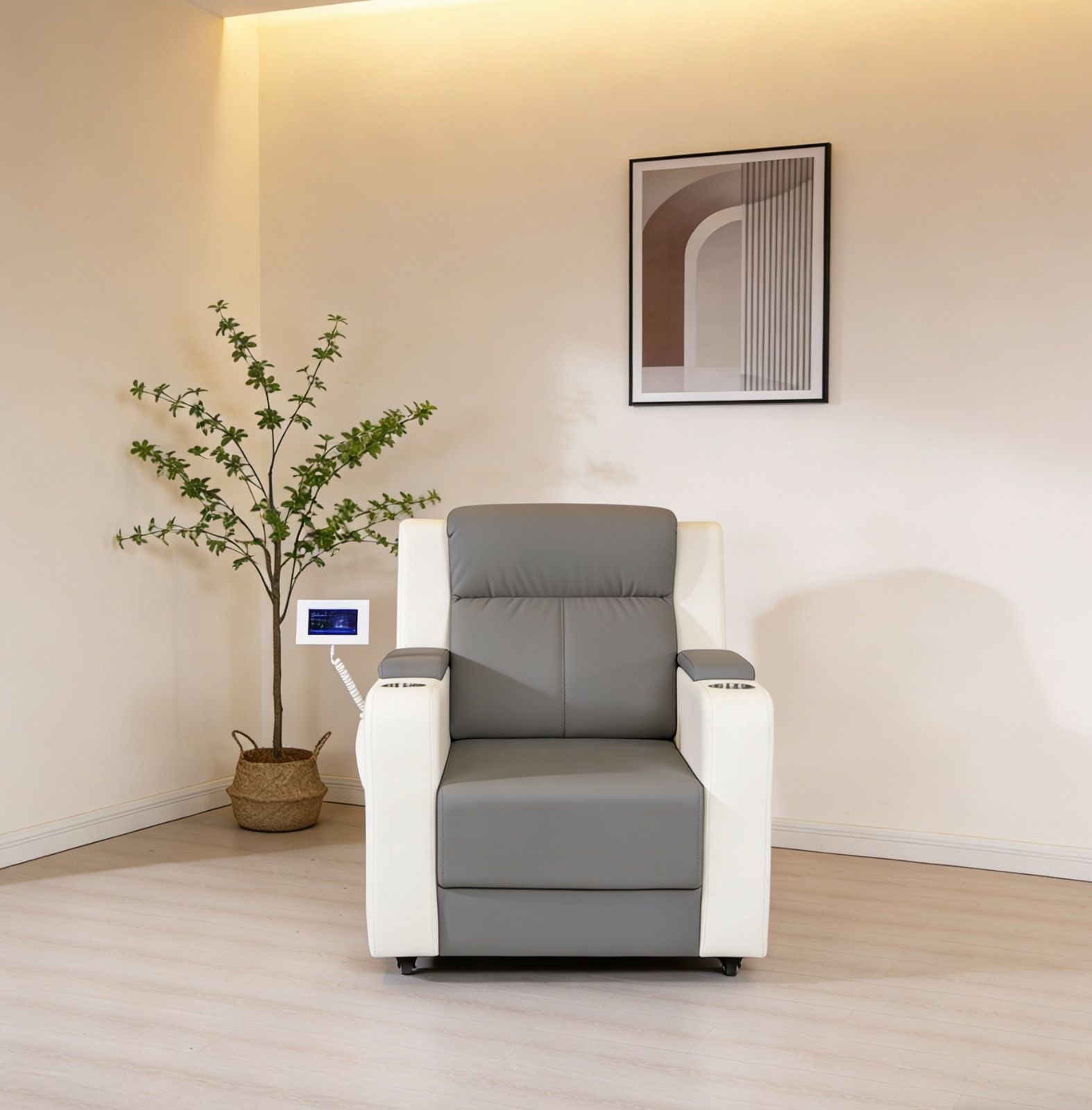
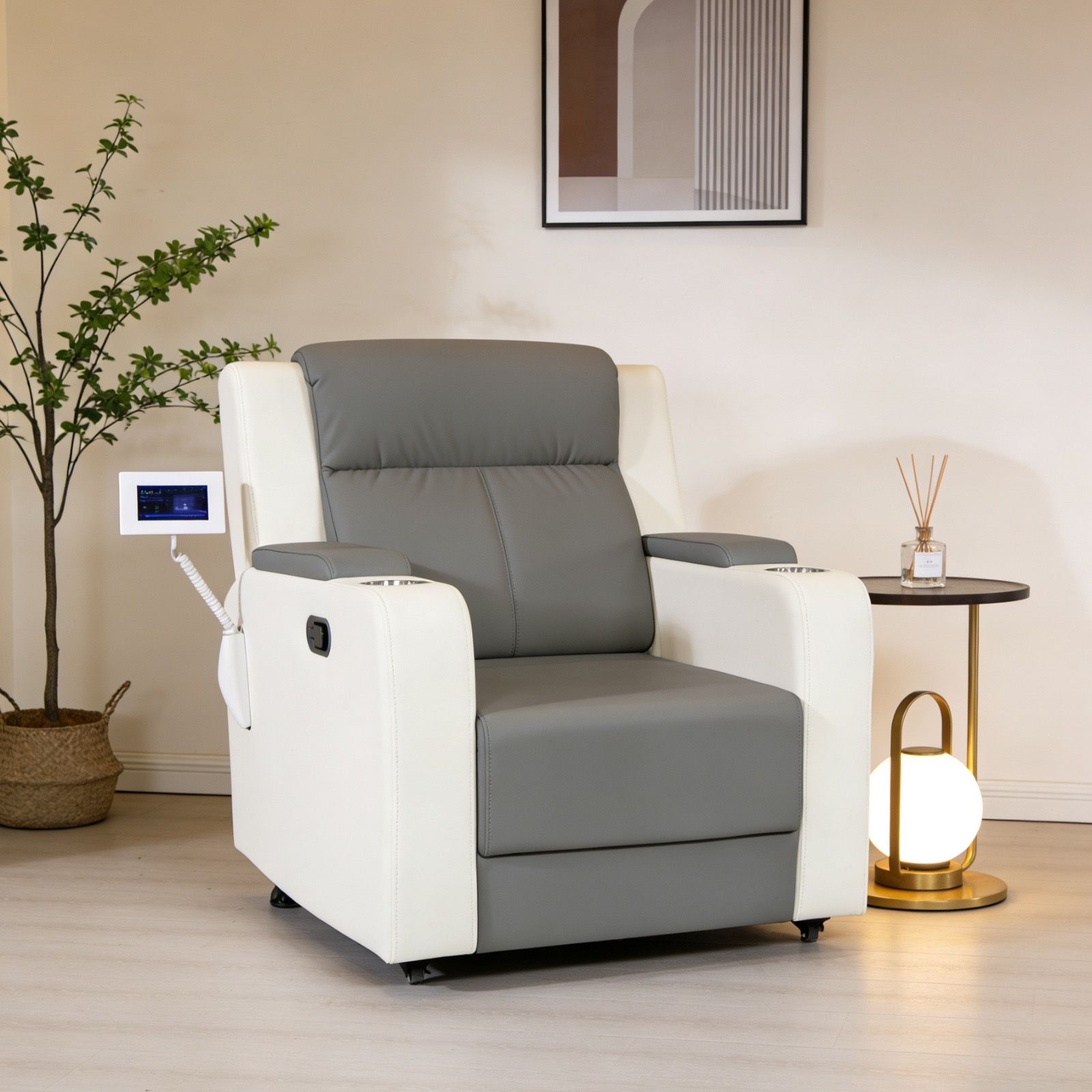
An EMS chair is a seated wellness device that uses muscle stimulation to encourage repeated pelvic floor contractions.
Depending on the equipment, this may involve electromagnetic energy or another form of external stimulation. The treatment is performed while you remain fully clothed.
There is no internal probe.
The goal is to help activate and exercise the pelvic floor muscles in a controlled setting.
Pelvic floor muscles support the bladder, bowel, and reproductive organs. They also work with the abdomen, hips, and lower back to support movement and posture.
A weak or poorly coordinated pelvic floor may be associated with:
- Occasional urine leakage
- Reduced core support
- Changes after childbirth
- Age-related muscle changes
- Difficulty feeling or performing pelvic floor contractions
These symptoms can have many causes. An EMS chair does not replace a professional evaluation.
How Does Pelvic Floor Stimulation Work?
The pelvic floor is made of muscles. Like other muscles, it can respond to repeated contractions and recovery.
An EMS chair is designed to create contractions without requiring you to perform each contraction on your own.
You may feel your pelvic area and surrounding muscles tighten and release during the session. The sensation can feel unusual at first, but it should remain tolerable.
The intensity is typically adjusted to your comfort level.
The treatment does not require strenuous movement. You sit in the chair and allow the device to provide the stimulation.
This can be helpful for people who have difficulty identifying or contracting the pelvic floor muscles on their own. It may also be used as part of a broader wellness routine.
What Happens During a Session?
Your first visit begins with a conversation.
We ask about your goals and review important health information. We also explain the equipment, expected sensations, and safety guidelines.
During the session:
- You remain fully clothed.
- You sit comfortably on the chair.
- The device is adjusted for your treatment plan.
- Stimulation begins at a low level.
- We check in about your comfort.
- The intensity may be adjusted as needed.
- You can stop the session at any time.
You may notice rhythmic contractions or a deep muscle pulsing sensation.
Some people describe it as a strong workout for muscles they do not usually feel. Others notice only mild contractions at first.
You should not feel sharp pain.
Mild muscle fatigue or temporary soreness may occur, similar to how other muscles can feel after exercise. Tell us immediately if you feel pain, dizziness, or anything that does not feel right.
Most clients find infrared sauna sessions deeply relaxing. It's quiet. Peaceful. Just you, gentle heat, and 30-45 minutes to decompress. People use our infrared sauna in Granger for everything from muscle recovery after workouts to chronic pain management. Some love it for stress relief. Others notice clearer skin after consistent sessions.
Is the Treatment Private?
Yes. The session takes place in a private treatment setting. You remain dressed, and no internal treatment is involved.
Many clients appreciate the simple setup. There is no need to change into special clothing or prepare for an invasive procedure.
We explain each step before treatment begins. You are welcome to ask questions at any point.
Your comfort matters.
What Results Can You Expect?
Results vary.
Some people notice increased awareness of the pelvic floor after an early session. This does not necessarily mean the muscles are fully strengthened.
Muscle conditioning usually takes time.
A series of sessions may be recommended based on your goals, health history, and response to treatment. Your provider can explain the suggested schedule during your consultation.
Possible goals may include:
- Greater awareness of pelvic floor muscles
- Improved muscle engagement
- Support for bladder-control goals
- A stronger feeling of pelvic support
- Better confidence during daily activities
We do not promise to cure urinary incontinence, pelvic organ prolapse, pelvic pain, or another medical condition.
Current research suggests that chair-based pelvic floor stimulation may help some people, especially over the short term. However, studies vary in quality, treatment settings, and follow-up time.
Long-term results are not fully established.
Your experience may also depend on your age, muscle condition, hormones, childbirth history, activity level, and the cause of your symptoms.
EMS Chair and Pelvic Floor Physical Therapy
An EMS chair is not a replacement for pelvic floor physical therapy.
Pelvic floor physical therapists can evaluate how your muscles contract, relax, and coordinate with your breathing and movement. They can also address pain, posture, bowel habits, lifting patterns, and other factors.
For many pelvic floor concerns, supervised pelvic floor muscle training is a well-supported first step. The NICE pelvic floor guidance provides information about nonsurgical pelvic floor care.
An EMS chair may be considered a wellness option or a possible addition to professional care. It should not delay medical evaluation when symptoms are new, worsening, or concerning.
If you have leakage, pelvic pressure, pain, difficulty emptying your bladder, or a feeling of bulging, speak with a qualified healthcare provider.
Who May Be Interested in an EMS Chair?
You may be interested if you:
- Want to learn more about pelvic floor wellness
- Have difficulty performing pelvic floor contractions
- Want a non-invasive, fully clothed session
- Are exploring options after discussing symptoms with a provider
- Want to support a broader strength and wellness routine
This service may not be appropriate for everyone.
A consultation helps us determine whether the treatment fits your situation. We may recommend that you speak with your physician, urogynecologist, or pelvic floor physical therapist before scheduling.
Who Should Wait or Get Medical Clearance?
Do not book an EMS chair session without first speaking with a qualified healthcare provider if you:
- Are pregnant or may be pregnant
- Recently gave birth
- Have an implanted electronic device
- Have a pacemaker or defibrillator
- Have an implanted neurostimulator or medication pump
- Recently had pelvic, abdominal, or other surgery
- Have an active infection
- Have unexplained pelvic pain or bleeding
- Have significant pelvic organ prolapse
- Have reduced sensation in the treatment area
- Are being treated for cancer in or near the treatment area
- Have another medical concern that may affect safety
Equipment instructions can vary.
Be sure to tell us about implants, surgeries, medications, medical conditions, and pregnancy status during your consultation. When needed, we may ask you to obtain medical clearance before treatment.
Is an EMS Chair Painful?
It should not be painful.
You may feel strong, repeated contractions. The sensation can become more noticeable as the intensity increases.
The treatment should remain within a comfortable range.
You are always in control of your session. We can adjust the intensity or stop treatment if needed.
If you are nervous, let us know before your appointment. We can explain the process slowly and answer your questions first.
How Long Does a Session Take?
Session length depends on the equipment, treatment plan, and your goals.
During scheduling, we explain how much time to allow for your visit. Your first appointment may include additional time for consultation and safety screening.
We recommend arriving a few minutes early so we can review your information without rushing.
If you are unsure whether the service fits your schedule, contact us first. We are happy to help.
We work with everyone from high school athletes to retirees. Busy professionals who need stress relief. Parents looking for immune support during school season. Wellness enthusiasts optimizing their health.
Common Questions
Do I need to undress?
No. EMS chair sessions are performed while you remain fully clothed.
Is there an internal device?
No. The chair provides external stimulation.
Can I use an EMS chair if I am pregnant?
No. Pregnancy is a reason to wait and consult your healthcare provider.
Can it treat urinary incontinence?
An EMS chair may support pelvic floor strengthening and bladder-control goals for some people. It is not a guaranteed treatment or cure for incontinence.
New or ongoing leakage deserves a medical evaluation.
Can it fix pelvic organ prolapse?
No treatment should promise to fix prolapse through an EMS chair.
If you feel pelvic pressure, heaviness, or bulging, speak with a qualified healthcare provider before scheduling.
Is one session enough?
One session may help you understand the sensation, but muscle conditioning usually requires consistency. Your recommended plan depends on your goals and health history.
Can I combine it with pelvic floor exercises?
Possibly.
Ask your healthcare provider or pelvic floor physical therapist how to combine treatments safely. Correct technique matters, and more contractions are not always better.
Begin With a Conversation
Your pelvic floor concerns are personal.
You deserve clear information, privacy, and a plan that fits your needs.
At Skin Therapy By Renne, we offer a calm consultation before treatment. We can answer questions about comfort, scheduling, and safety.
We will also let you know when a healthcare provider should be involved.
Reach out to our Granger studio to learn more about EMS chair wellness sessions and schedule a personalized consultation.
Recent Posts